

A More Responsible Future for Fashion
At Frankie Collective, we are dedicated to innovating streetwear while setting a new standard for sustainability in the fashion industry. We recognize the environmental impact of garment production and are committed to reducing waste at every step. Every time a pre-loved garment is purchased, it lessens the demand for high-polluting new garments, reinforcing the power of thoughtful, purpose-driven fashion choices. The way we spend our money shapes the future, and together, we can drive change that benefits both the industry and our planet.
Circularity isn’t a trend—it’s the way we work.
Since day one, our process has focused on eliminating waste and pollution while keeping materials in use for as long as possible. Our growth is decoupled from resource use, making every Frankie purchase a smarter, more sustainable choice.
What We Do
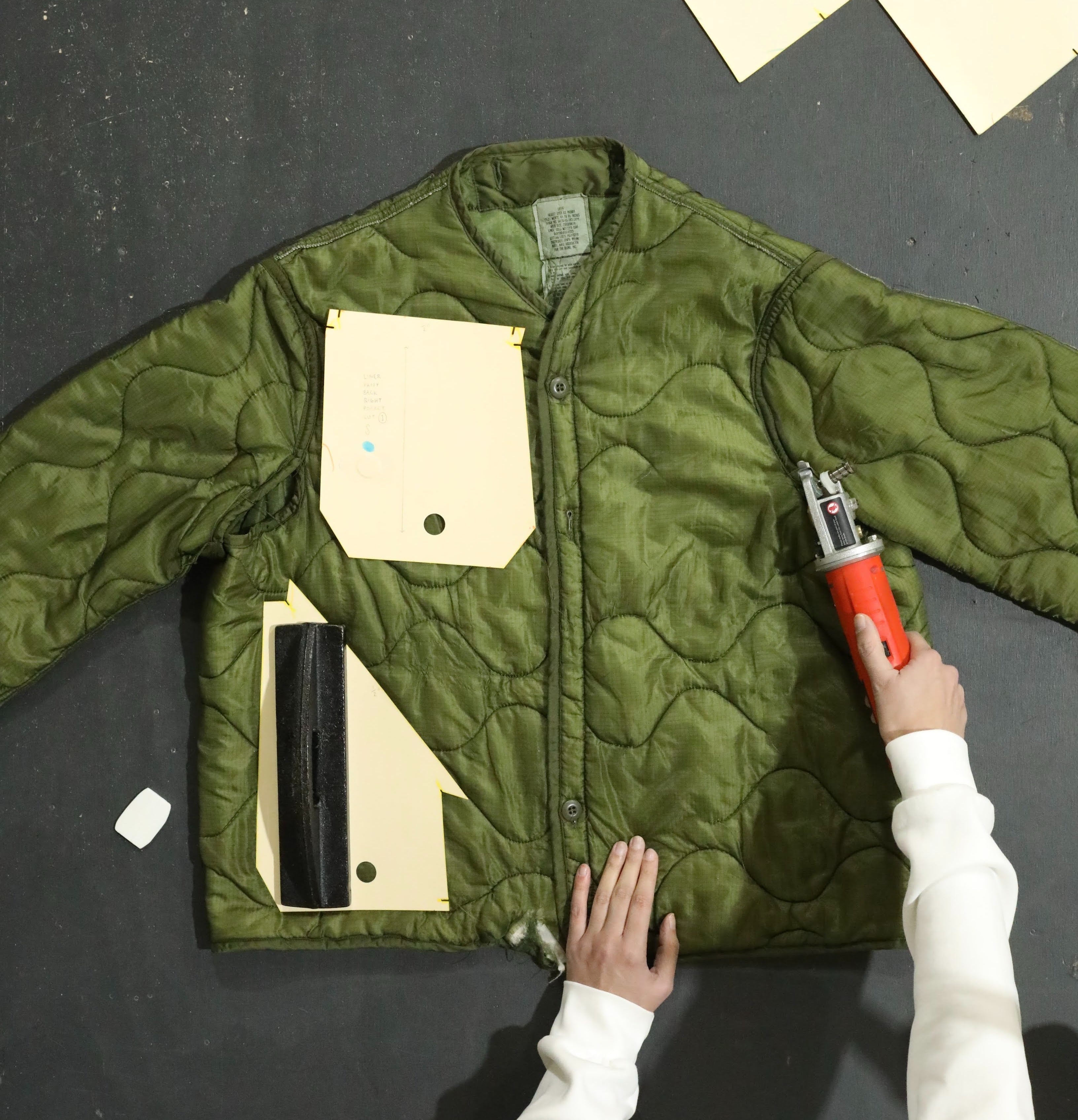
Rework
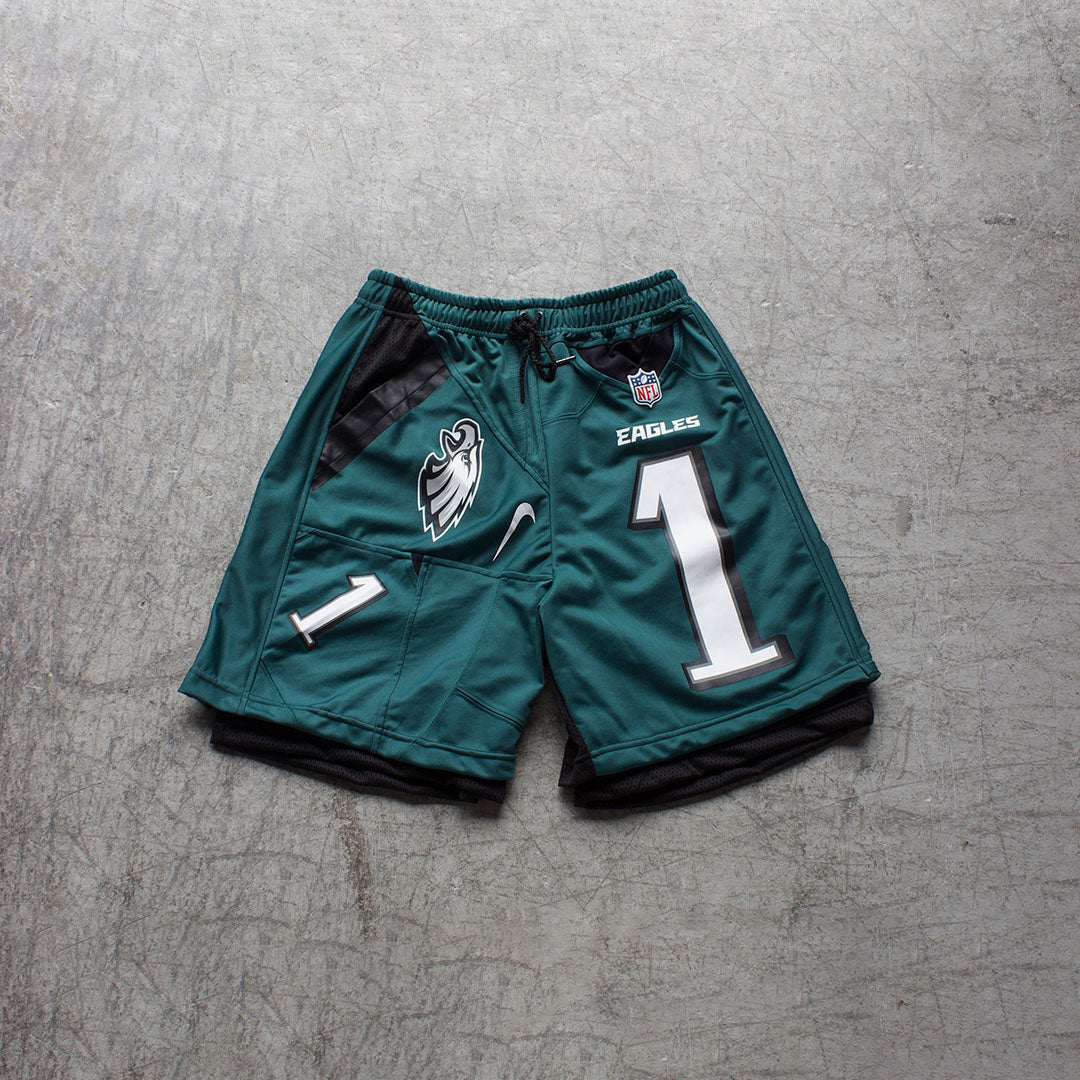
We salvage pre-loved garments that would otherwise end up in a landfill and reimagine them into bold, stand out styles that speak to today’s culture.
Vintage
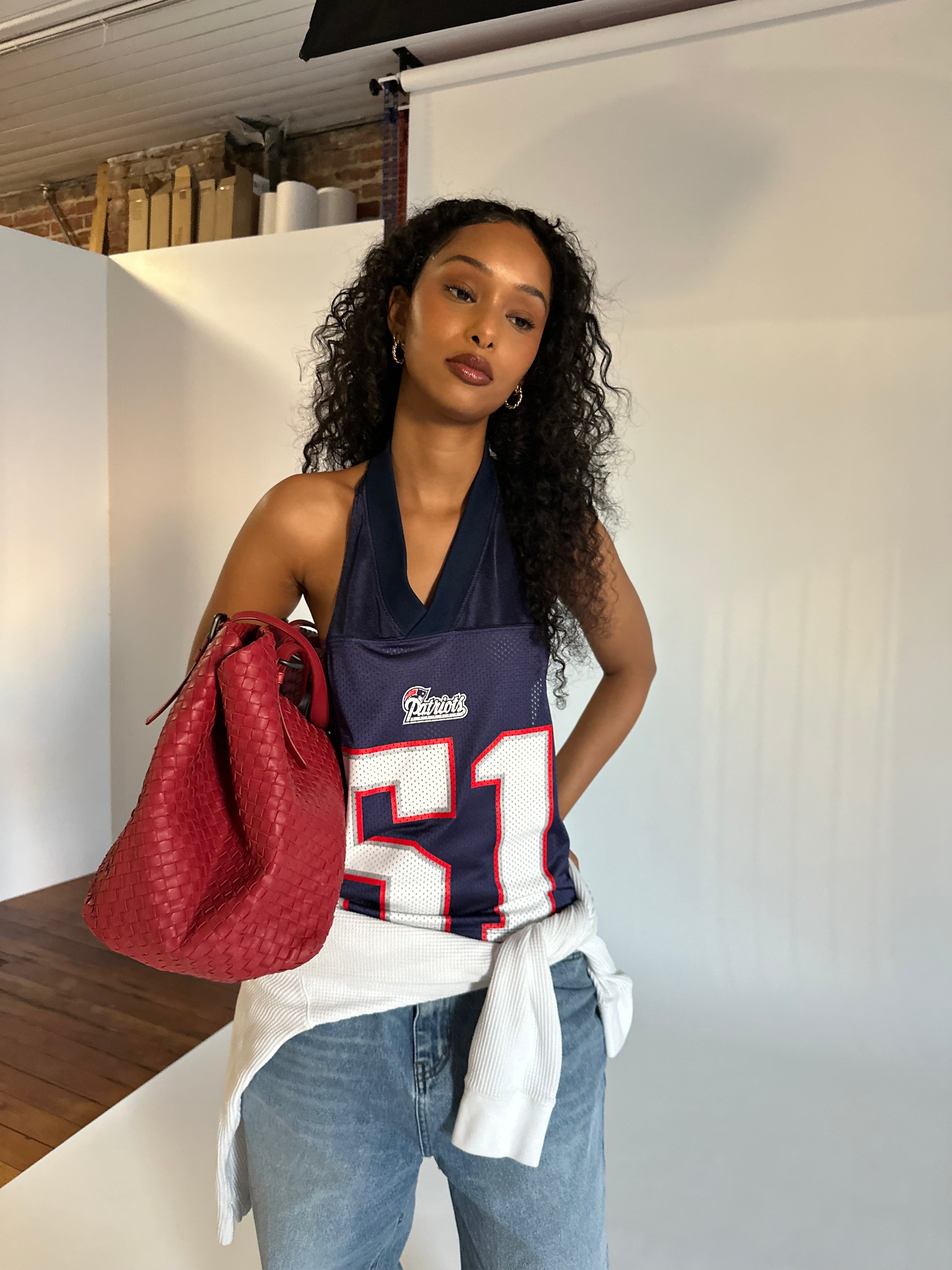
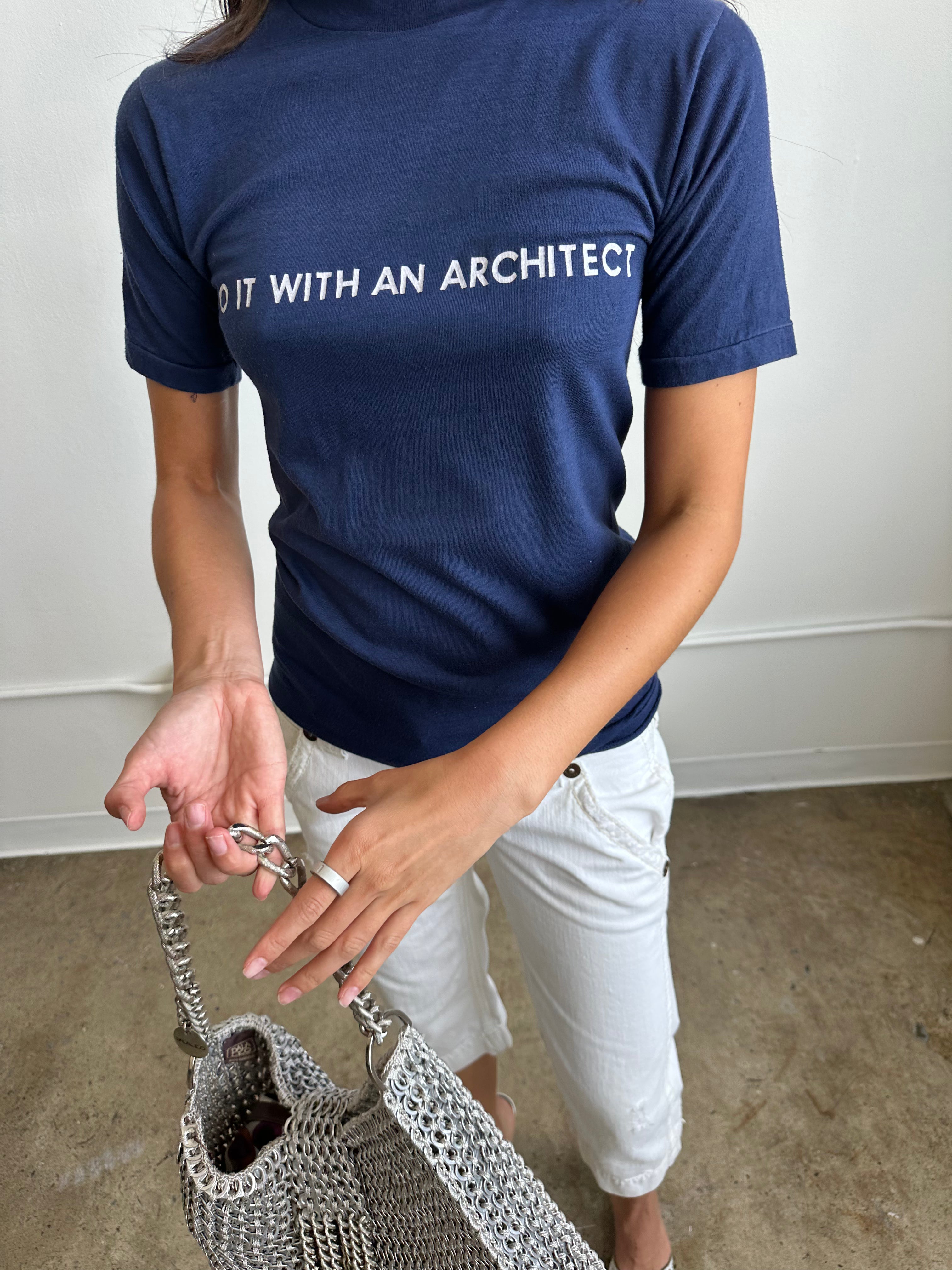
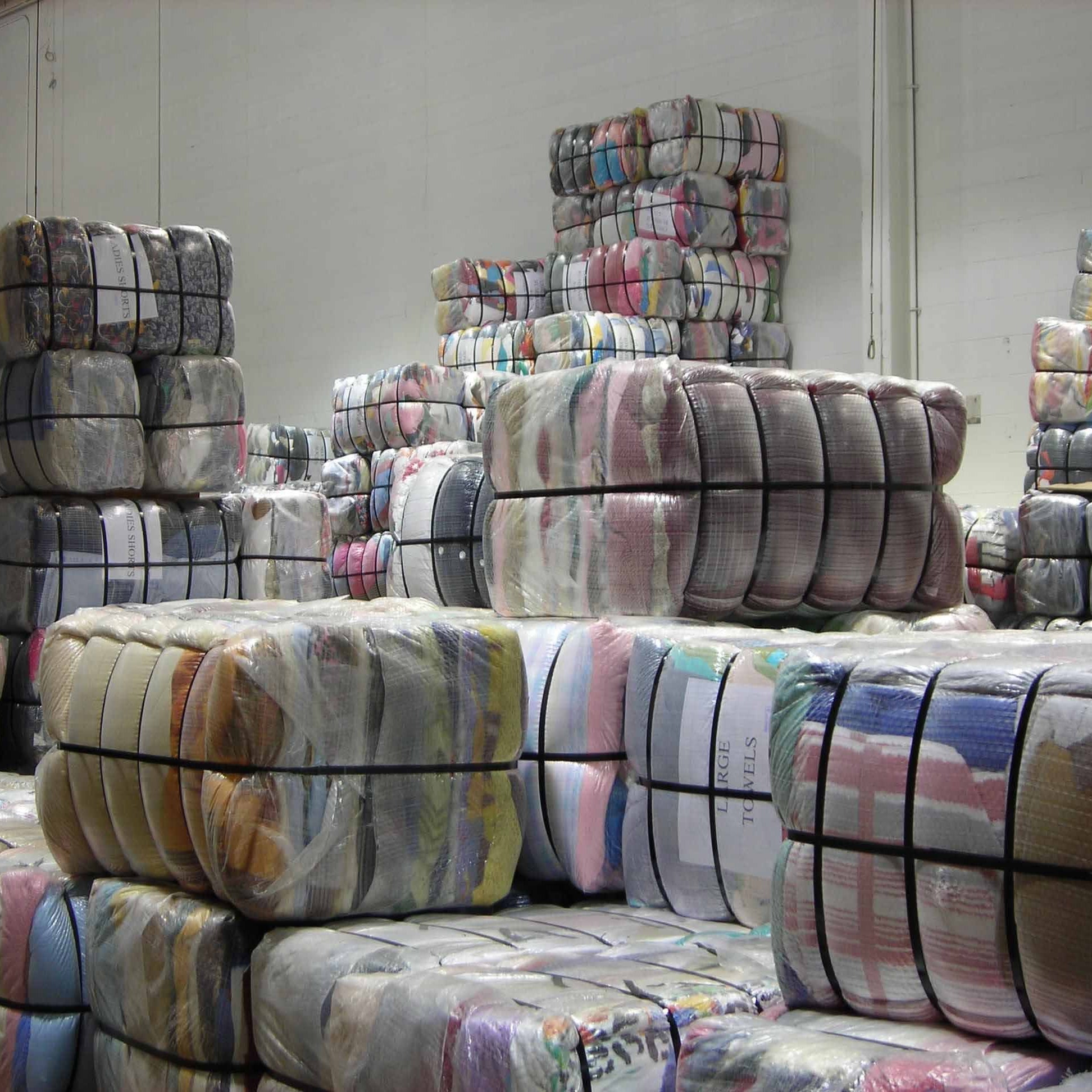
We hand-curate collections of pre-loved garments over 10 years old, that were destined for landfill or destruction, rescued and given a second life. These timeless pieces are sustainably sourced and thoughtfully selected for their unique style and cultural relevance.
Deadstock
We prioritize the use of unused fabrics that other manufacturers discard (aka deadstock) due to fast-paced production cycles and lack of environmental foresight. Where others see waste, we see opportunity: to reduce impact, and create with purpose.

92 million tonnes
of textile waste are generated globally each year—and most ends up in landfills or incinerators.

20% of global wastewater
comes from the fashion industry, largely due to toxic dyeing and textile processing.

<15% of textiles
are recycled worldwide. The vast majority of clothing is discarded after only a few wears.

2x more clothing
is produced now than in 2000, fueling a fast fashion system built on overproduction and waste.
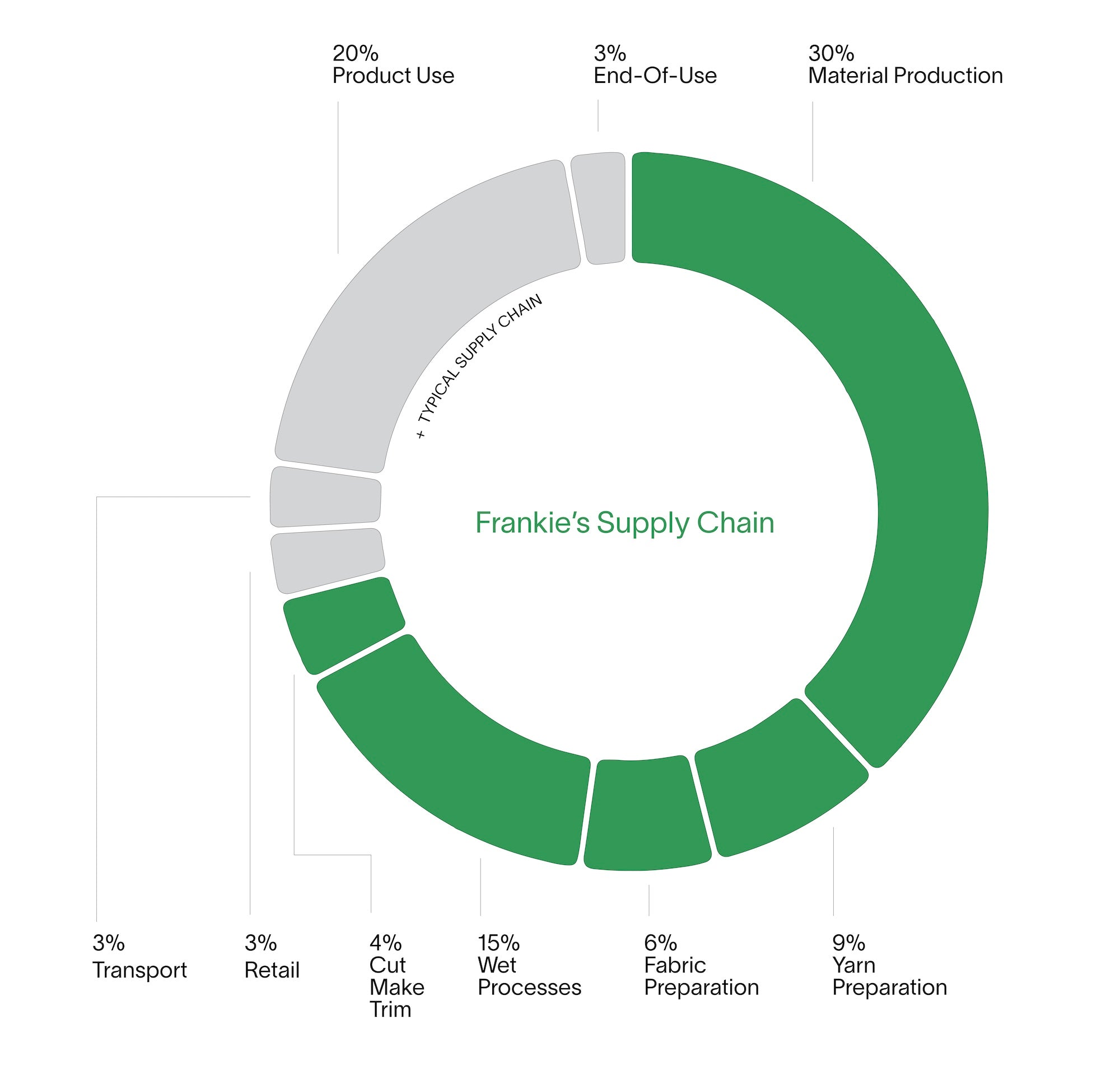
The Typical Fashion Supply Chain
This chart highlights where most of fashion’s environmental impact occurs—over 60% of emissions come from upstream production like material creation, wet processes, and fabric prep. These early stages are the most resource- and pollution-heavy. At Frankie, we bypass them entirely by reworking existing garments, proving that circular design isn’t just better—it’s the future.
projects
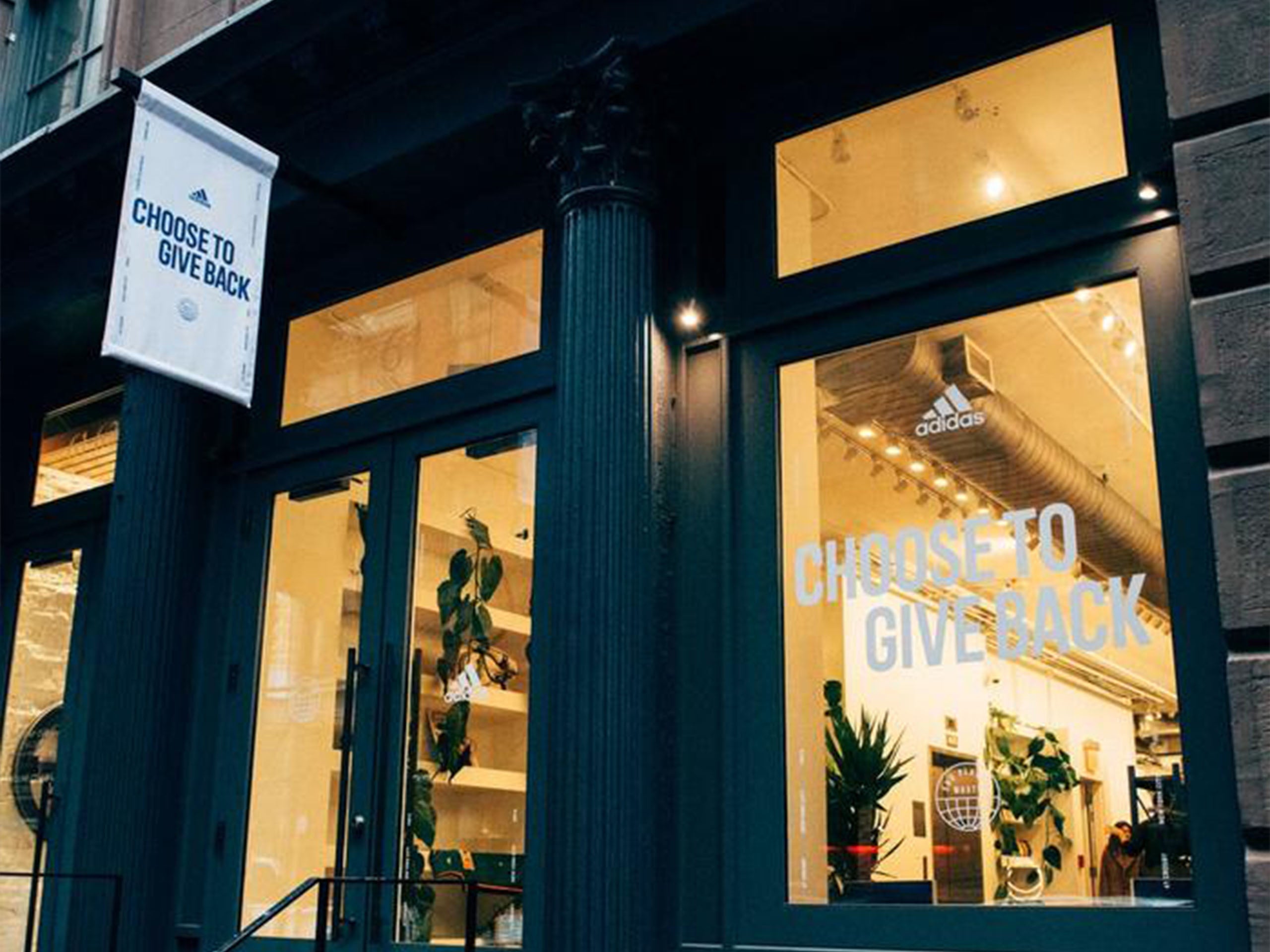
Frankie Collective reimagined streetwear at Adidas’ NYC Give Back pop-up—upcycled looks, live repairs, and over 2,500 lbs of clothing diverted from landfill.
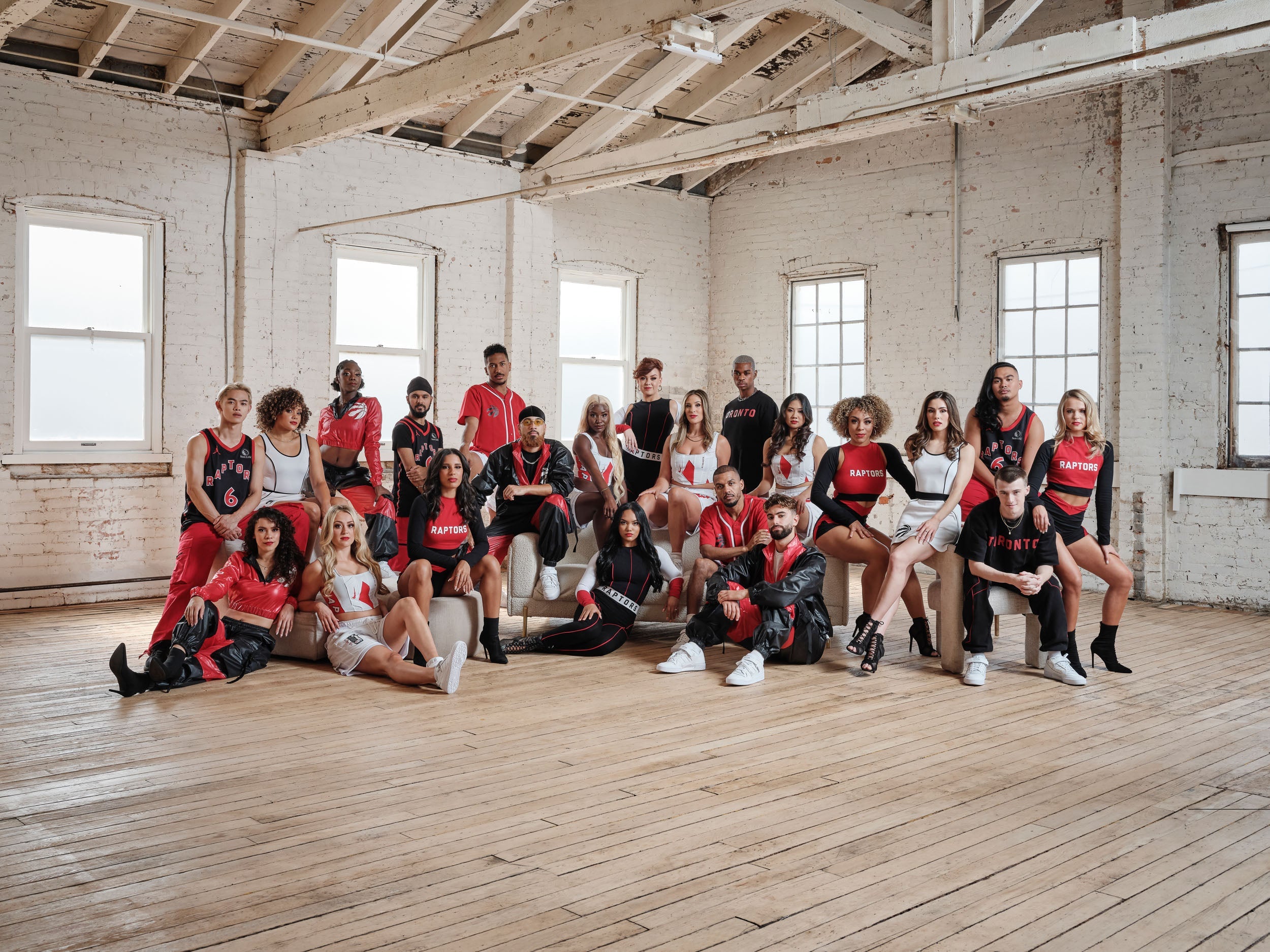
Frankie Collective reworked official Toronto Raptors jerseys into custom sets for the North Side Crew’s 2024 opener—spotlighting sustainability on game day.
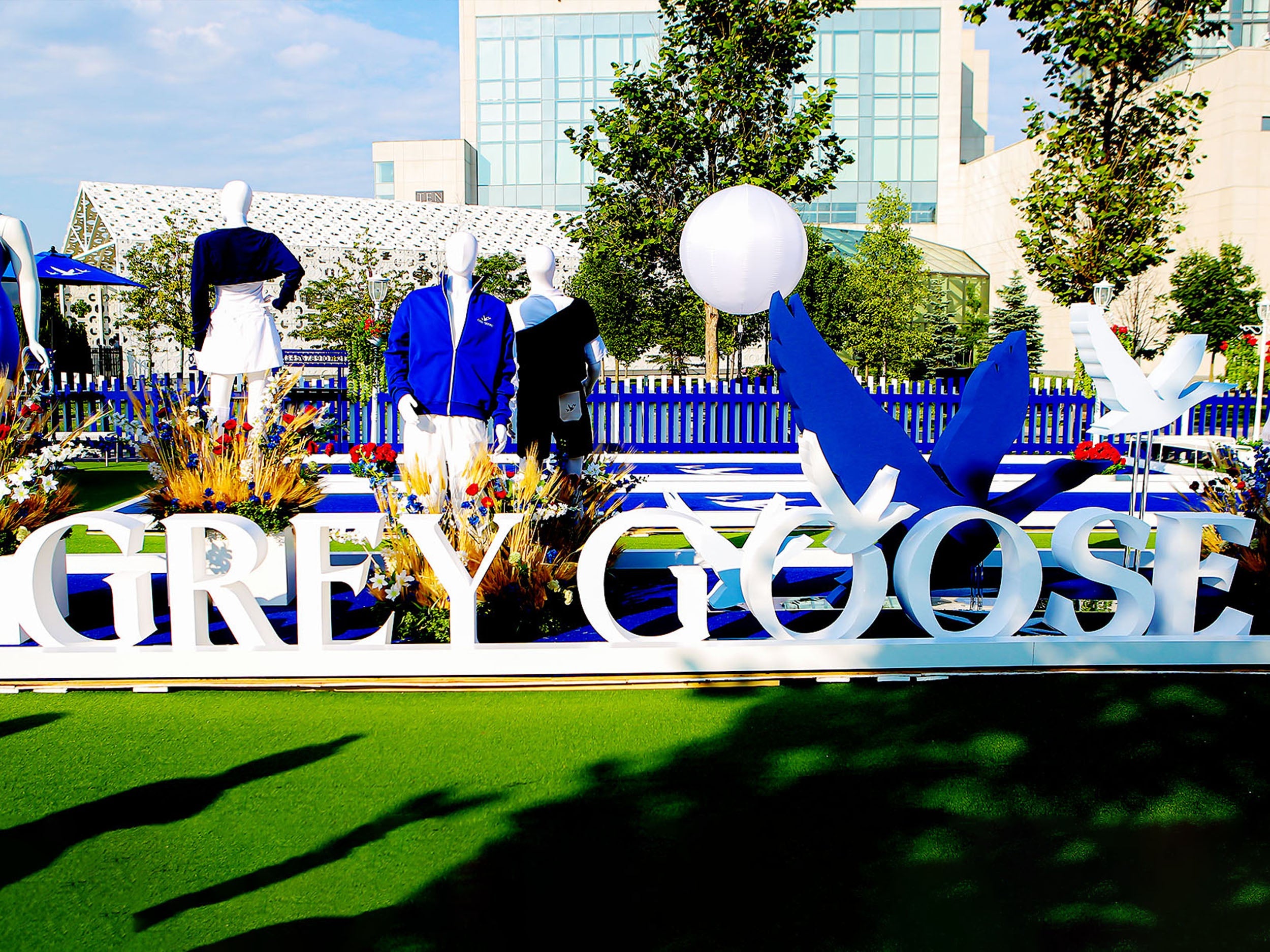
Frankie Collective partnered with GREY GOOSE® Vodka to design a limited-edition 10-piece collection inspired by the effortless luxury of a summer escape in the South of France. Drawing from the bra...